Princeton IT Services
Resources / Blogs
Everything you need to know about PostgreSQL
Let’s learn more about PostgreSQL and Data Migration to Postgresql. The main reasons why PostgreSQL is valued are its adaptability and ability to work with common operating systems like Linux, UNIX, and Windows.
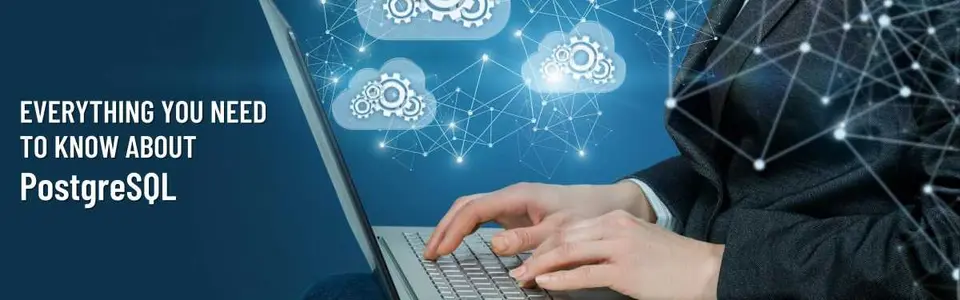
PostgreSQL is amongst the most actively used relational database management systems, and has experienced a rapid increase in demand by developers in recent years. Many businesses are using PostgreSQL as their primary database to support their internet-scale applications, solutions, and products. There is indeed a justification why PostgreSQL is now regarded as among the best databases available. The main reasons why PostgreSQL is valued are its adaptability and ability to work with common operating systems like Linux, UNIX, and Windows. Let’s learn more about PostgreSQL and Data Migration to Postgresql.
What do you mean by PostgreSQL?
With a variety of capabilities that safely store and grow the most complex data workloads, PostgreSQL is a potent, open source object-relational database system that utilizes and extends the SQL language. PostgreSQL is a type of relational database. The most widely used type of database is the relational database. There are columns for different data properties and rows for the data points. Numerous connected rows are kept in a table.
Why Choose PostgreSQL over other Databases?
Nowadays, a lot of businesses are considering Data Migration to Postgresql. Due to the following features of PostgreSQL, it carries an upper hand over other relational database systems:-
- Available for free download and use since it’s an open source database.
- Linux, Windows, and macOS are all operating systems-compatible with PostgreSQL.
- It is quite safe, solid, and dependable to use PostgreSQL for businesses.
- Programming languages including Python, C, C++, and Java are all supported by PostgreSQL.
- PostgreSQL is very stable, durable, and secure.
What are the challenges of PostgreSQL?
Despite numerous benefits offered by PostgreSQL, it also has some drawbacks.
Here are some common challenges that have been faced by its users.
- Duration – It may take longer than expected to complete a PostgreSQL migration or development job. Progress might be slowed down by unexpected problems that frequently call for extra study.
- Not managed by a single vendor – When switching to PostgreSQL, users will have a wide range of suppliers and products to pick from.
- On-premises versus cloud-based PostgreSQL – The use of PostgreSQL in the cloud differs from that on-premises. Vendors sometimes lock some default settings, and many Postgre extensions are not available in the cloud, which restricts Postgre setups and possibilities.
- Application size- While migrating to Postgres should be simple for small organizations with modest databases, moderate firms and huge corporations may rapidly run into migration problems because of the large database. It’s better to contact and take assistance from a support vendor or Postgre migration services provider.
Bottom Line!
PostgreSQL is the cornerstone of many key inventions and daily use apps. This is a no-brainer that it is a powerful open source relational database system with years of development.
But, on the other hand, managing PostgreSQL is a complicated task for organizations. Princeton IT provides a fully managed database service that simplifies the complex tasks of application operations, so businesses and developers can concentrate on creating their core apps using PostgreSQL. Consult our PostgreSQL experts now to optimize your deployment and leverage the benefits of migrating to PostgreSQL.

 30 TB moved with zero downtime